
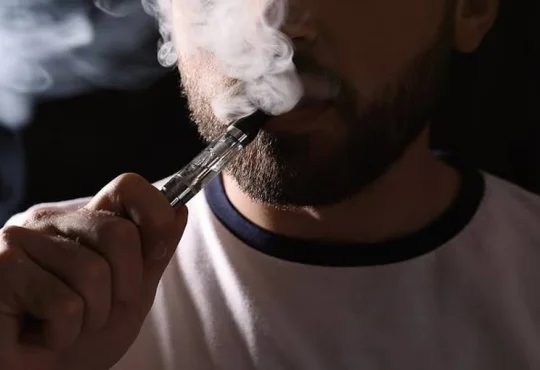


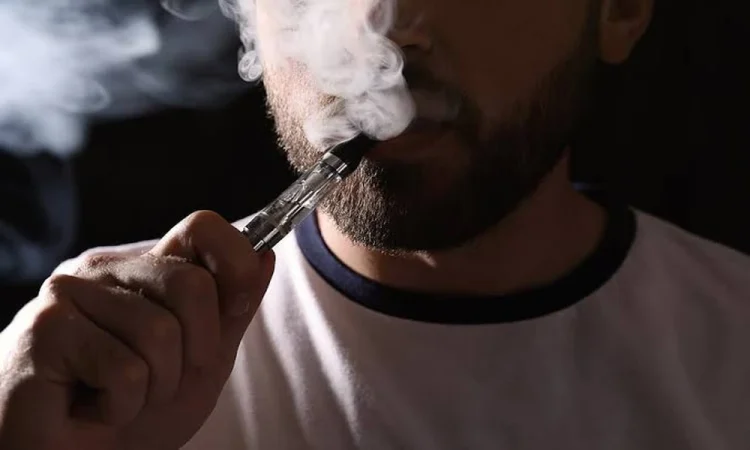
People often charge a battery, connect a cart, and draw with no thought to voltage settings. For products like Exhale Wellness 2 gram carts with enough fill volume to last a long use cycle, a wrong voltage setting compounds over hundreds of draws into a consistently poor experience. That habit is more responsible for disappointing cart experiences than anything wrong with the oil itself.
Voltage controls coil temperature, and coil temperature decides what the extract actually becomes on the way to the inhale. Run it too low and thick, THCA oil barely moves, producing wispy draws that feel like the cart is nearly empty when it is not. Push it too high, and the coil scorches the oil at contact, turning what should be a complex terpene profile into flat, harsh vapour that no formulation was designed to taste like.
Most THCA oils perform best somewhere between 2.4 and 3.0 volts. Where exactly within that range depends on two things: how viscous the oil is and how terpene-rich the formulation runs. Neither answer appears on the packaging, which is why working through a new cart at different settings early on produces better results than committing to factory defaults indefinitely.
How does heat change flavor?
Terpenes are volatile. They degrade under heat faster than cannabinoids do, which means the flavor profile of a cart and its potency do not decline at the same rate when voltage runs high.
A cart used consistently at elevated settings loses its terpene character within the first quarter of the fill. What remains still carries cannabinoid content but has shed most of what gave it a distinct taste and aromatic quality. The oil has not gone bad. The setting burned off the part of the formulation that made it interesting.
Lower voltage changes the draw experience in ways that require a brief adjustment.
- Vapour feels thinner initially, which many users misread as reduced potency rather than reduced density.
- Flavor becomes noticeably more layered once the palate adjusts to cooler draws.
- Terpene expression holds across more of the cart’s lifespan rather than fading after the first few sessions.
- The throat feels softer, which suits some users and frustrates others who prefer the sensation of warmer vapour.
Neither preference is incorrect. The point is making the choice deliberately rather than by default.
Coil type changes the equation
Ceramic and metal wick coils are not interchangeable when it comes to voltage response, and treating them as equivalent produces predictable problems. Ceramic heats evenly across the surface, tolerates a reasonable voltage range without creating hot spots, and preserves oil quality better across extended use. Premium carts specify ceramic for these reasons rather than as a marketing claim.
Metal wick coils concentrate heat where the wire contacts the oil directly. Even modest voltage increases create localised scorching at those contact points while the surrounding oil stays underheated. Draws become inconsistent, occasional harsh notes appear, and users attribute the experience to oil quality when the actual cause is coil architecture under voltage pressure, which it was not designed to handle cleanly.

Burmese Curly Hair Sew-In Ideas for a Full, Natural, and Beautiful Finish

A curly sew-in can be one of the most beautiful ways to enjoy fullness, shape, and protective styling without having...
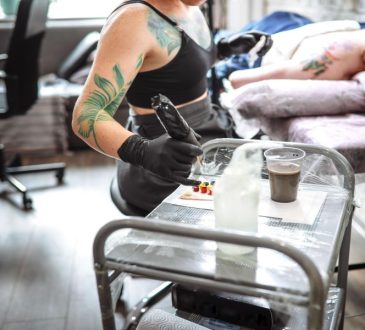
The Cost of Mastery: Why Great Tattoo Artists Charge by the Hour, and Why It’s Worth It
When clients first explore tattoo pricing, one of the most common questions is why skilled tattoo artists charge by the...
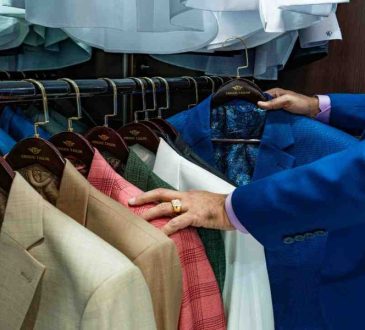
Highlighting Individual Style Through Best Tailor Bangkok Clothing Creations

Fashion choices often reflect personality through carefully selected garments today. The best tailor bangkok services support refined dressing through precise...
Horse Riding Clothing: What Every Equestrian Needs to Know


Key TakeawaysChoosing the right breeches matters for comfort and performance. Factors like fabric and fit can really impact your riding experience.Your riding boots? They're essential for support and stability. A good fit also ensures safety, allowing your foot to slip out of the stirrup if you need to.It's vital to wear a helmet while riding. Modern helmets are not just lightweight but super comfortable, making them a must-have for all riders.Accessories like belts and hats can elevate your riding outfit, but keep them functional. You don't want to go too...